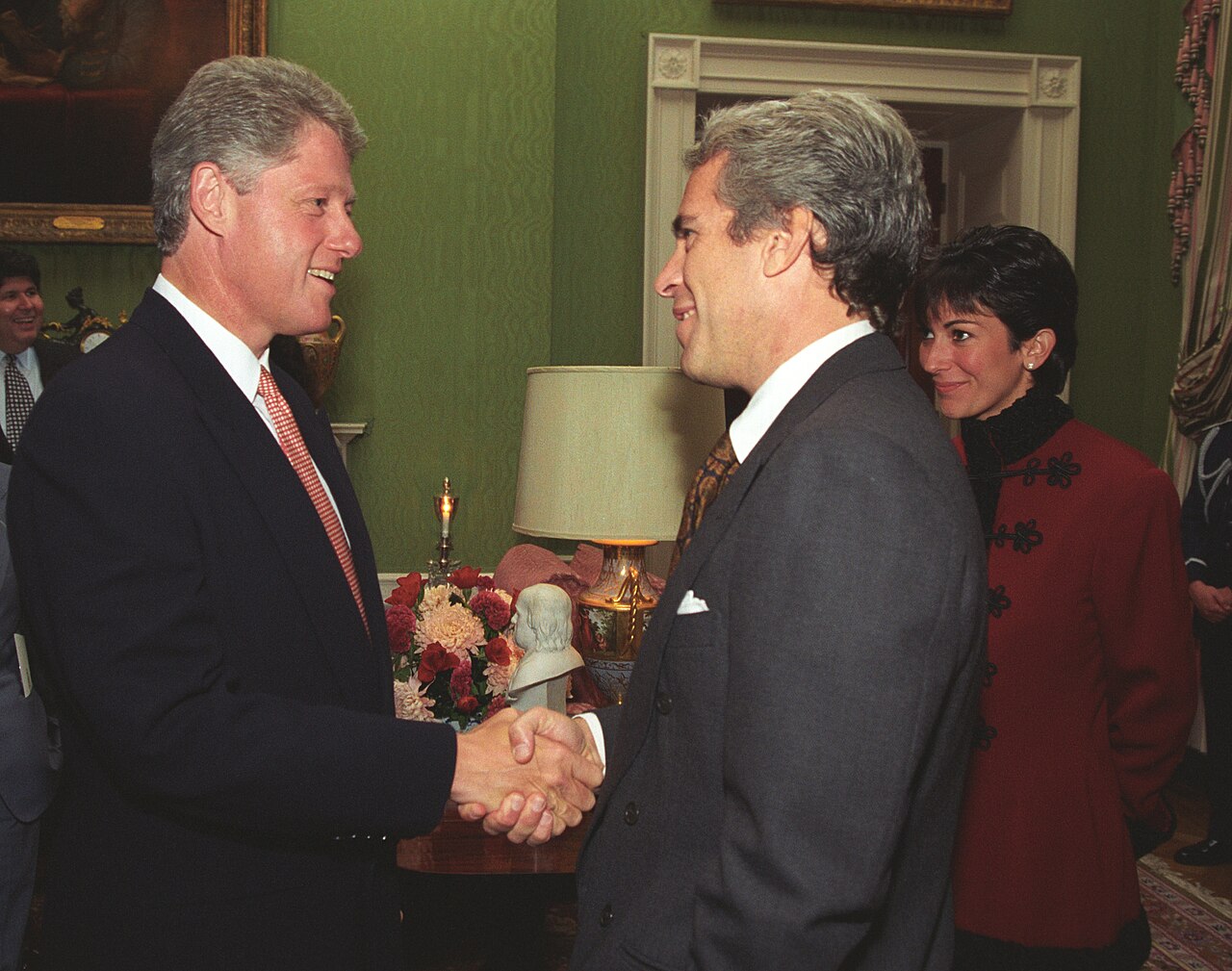
Understanding the Clinton-Epstein Connection: A Detailed Timeline
The intricate web surrounding Jeffrey Epstein, the disgraced financier, continues to unravel years after his death, drawing renewed scrutiny to the high-profile individuals once associated with him. Among them, former President Bill Clinton's past ties have consistently garnered significant public and media attention. This article provides a comprehensive clinton epstein timeline, outlining the documented interactions, the official responses, and the enduring questions that persist. It’s crucial to note that while Clinton acknowledges a past relationship with Epstein, he has consistently maintained that he ceased contact after accusations of wrongdoing emerged and has not been accused of any crimes or inappropriate behavior in connection with Epstein's illicit activities.
The Dawn of an Association: Early Interactions and Contributions
The relationship between Bill Clinton and Jeffrey Epstein reportedly began to take shape in the 1990s, years before Epstein's criminal activities became widely known. This early period highlights initial points of contact and financial contributions that marked the start of their controversial association.
- 1992: Political Contributions Begin
According to federal election records, Jeffrey Epstein made a $1,000 donation to Bill Clinton's presidential campaign. This early contribution indicates an initial foray by Epstein into political circles, a common practice for individuals seeking influence or access. - 1996: Further Democratic Party Support
Several years later, in October 1996, Epstein escalated his political donations, contributing $20,000 to the Democratic National Committee. This significant sum further solidified his presence within the Democratic Party's financial network, underscoring a period where his connections were expanding. - 1990s: White House Visits
Visitor logs from the 1990s indicate that Epstein visited the White House multiple times. While the specifics of these visits are not fully detailed in publicly available information, they suggest a level of access that Epstein cultivated with various prominent figures during this era. These early interactions lay the groundwork for a relationship that would later become a subject of intense public and legal interest.
These initial connections, though seemingly innocuous at the time, represent the genesis of a relationship that would later contribute to years of questioning and public debate, especially concerning the due diligence undertaken by public figures when accepting support or engaging with new acquaintances. The enduring lesson here for public figures is the profound importance of vetting associates, as even seemingly minor early interactions can have significant, long-lasting reputational implications.
Global Travels and Renewed Scrutiny: The Early 2000s
The early 2000s marked a period of more visible interaction between Clinton and Epstein, primarily involving travel on Epstein's private aircraft. These trips, documented through flight logs, have become a central point of contention and scrutiny.
- 2002: Documented Flights on Epstein's Plane
Flight logs maintained by one of Epstein's pilots and later used in court proceedings reveal several instances of Bill Clinton traveling on Epstein's private plane, often referred to as the "Lolita Express" by some media outlets. These included:- A trip in March 2002 from New York to Britain and back.
- Multiple international journeys between May 22 and May 25, 2002, from Atsugi, Japan, to two locations in China, as well as to Singapore, Thailand, and Brunei.
- Post-Accusation Break in Contact
A key aspect of Clinton's stance on his relationship with Epstein is his assertion that he ceased all contact with Epstein after the first accusations of sex crimes came to light. A statement released by Clinton's spokesperson in 2019, and reiterated since, confirms that Clinton "had not spoken to Epstein in well over a decade" and "knows nothing about the terrible crimes" Epstein was involved in. This consistent narrative emphasizes Clinton's position that his association was limited to a period before Epstein's criminal activities were exposed. - Clinton's Regret
In his 2024 memoir, Bill Clinton explicitly addressed the association, writing, "Traveling on Epstein’s plane was not worth the years of questioning afterward. I wish I had never met him." This statement underscores the profound reputational cost and personal regret associated with his past ties to Epstein, reflecting a common sentiment among high-profile individuals who find themselves inadvertently linked to scandal.
The detailed flight logs provide a concrete record of interactions, fueling public interest and investigative efforts. For any public figure, the lesson from this timeline segment is the critical importance of scrutinizing not just who you associate with, but also the context and implications of those associations, particularly when involving private travel with individuals whose backgrounds may later reveal dark secrets. These events highlight how seemingly routine interactions can become enduring points of public debate, especially in the digital age where information persists and can resurface with devastating impact.
The Legal Landscape and Public Disclosure: Recent Developments
The ongoing legal and legislative efforts to bring transparency to the Epstein scandal have led to significant public disclosures, casting a fresh spotlight on past associations, including Bill Clinton's.
- Epstein Files Transparency Act & DOJ Releases
In November, the Epstein Files Transparency Act, signed into law by President Donald Trump, mandated the release of millions of pages of material related to Epstein's activities. The Department of Justice (DOJ) has since published over 3 million pages of documents, including 2,000 videos and 180,000 images, making the total production nearly 3.5 million pages. These extensive releases have formed the basis for renewed public and media investigation. - Clinton's Mention in Files and Photos
Bill Clinton was mentioned in the Epstein investigative files, and several photographs of the former president were released by the DOJ. These images, which surfaced as part of a broader document disclosure in December, show him in relaxed social settings, including some with women whose faces were redacted. These photos have naturally renewed scrutiny on Bill Clinton's association with the late financier, prompting further questions and discussions about the nature and extent of their relationship. - Congressional Depositions
In a significant development, both Bill Clinton and Hillary Clinton provided closed-door depositions before House lawmakers investigating Jeffrey Epstein. Bill Clinton's testimony in Chappaqua, New York, marked the first time a former president has been compelled to testify before Congress in such a manner. These depositions are part of broader efforts to understand Epstein's network and potential facilitators. It is important to reiterate that throughout these disclosures and testimonies, Bill Clinton has not been accused of any wrongdoing in relation to Epstein's crimes. His appearance before the panel serves to provide context and information regarding his acknowledged past association. This process has allowed lawmakers to delve into the Epstein link and what the files reveal directly with former President Clinton.
The ongoing release of documents and the compelling of high-profile individuals for testimony highlight a societal demand for transparency and accountability, particularly when powerful figures are involved. The methodical, albeit gradual, disclosure of information helps to piece together the complex narrative surrounding Epstein and his enablers, while also allowing individuals mentioned to clarify their roles and distance themselves from criminal enterprises.
Navigating Public Scrutiny: Lessons from High-Profile Associations
The Bill Clinton-Jeffrey Epstein timeline serves as a potent case study on the enduring challenges prominent individuals face when past associations come under intense scrutiny. It offers valuable insights into the complexities of public image, reputation management, and the long-term impact of choices made years prior.
- The Ripple Effect of Association: One of the clearest lessons is how an association with a controversial figure, even if initially innocuous and prior to any known wrongdoing, can have a profound and lasting ripple effect on a public figure's reputation. The public's demand for accountability and full disclosure means that any past ties will likely be meticulously re-examined through the lens of new revelations.
- Due Diligence and Vetting: For public figures, the timeline underscores the critical importance of rigorous due diligence when establishing relationships, especially with individuals seeking to enter their orbit through donations or offers of private amenities. While not always foolproof, a thorough vetting process can help identify potential red flags and mitigate future risks.
- Transparency vs. Privacy: There's a delicate balance between a public figure's right to privacy and the public's right to know, especially when a past associate is involved in heinous crimes. The ongoing disclosures surrounding the Epstein files illustrate how legal and legislative mechanisms can compel transparency, often years after the initial interactions.
- Managing Narrative and Public Perception: Bill Clinton's consistent statements about ending contact with Epstein after initial accusations and expressing regret highlight an attempt to manage the narrative and clearly delineate his involvement. This demonstrates the necessity for public figures to be proactive, consistent, and forthright in addressing uncomfortable truths, even when they are not accused of wrongdoing themselves.
- The Persistence of Records: From flight logs to visitor records and campaign finance disclosures, this timeline illustrates how various forms of documentation can endure for decades and resurface to provide crucial context. For anyone in the public eye, this emphasizes that records, however minor, can contribute to a much larger narrative over time.
Ultimately, the saga of Clinton and Epstein underscores a fundamental principle: in an increasingly connected and transparent world, the company one keeps, however fleeting or seemingly benign, can have indelible consequences on one's legacy and public perception.
Conclusion
The comprehensive clinton epstein timeline reveals a relationship that evolved from initial political contributions and White House visits in the 1990s to documented global travels in the early 2000s, before ending with Clinton's asserted cessation of contact upon Epstein's initial legal troubles. While Bill Clinton has consistently maintained his lack of knowledge regarding Epstein's criminal activities and has not been accused of any wrongdoing, the ongoing release of documents and compelled testimonies continue to fuel public and media interest. This detailed look not only clarifies the documented interactions but also highlights the complex challenges high-profile figures face when past associations intersect with scandal, emphasizing the lasting impact of transparency, due diligence, and the persistent quest for accountability.